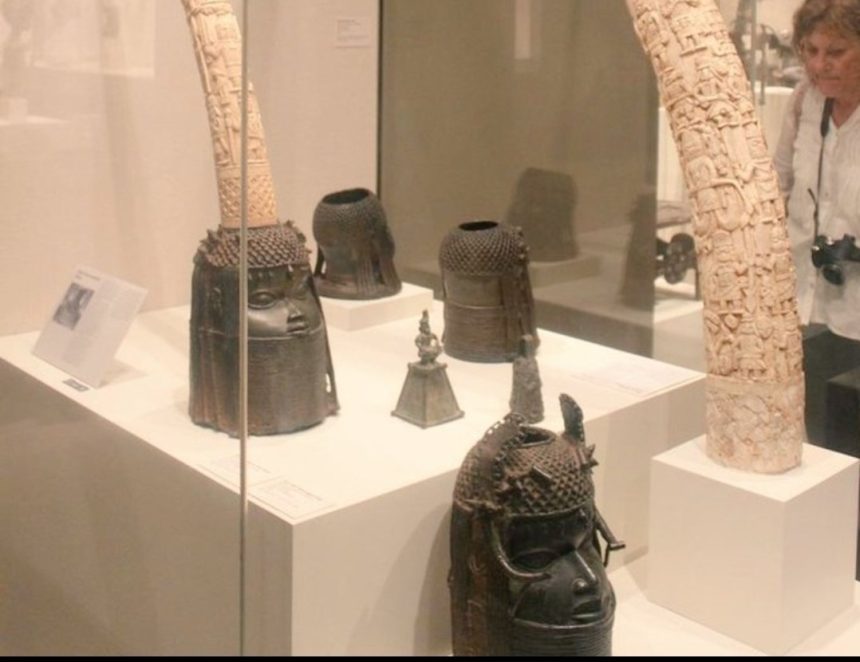
Arts and culture have long served as the foundation of societies around the world, shaping the identity, traditions, and values of communities across generations. From music, dance, literature, and visual arts to language, festivals, architecture, and indigenous craftsmanship, cultural heritage reflects the unique story of a people. As globalization and technological advancements continue to reshape everyday life, preserving these cultural treasures has become increasingly important to ensure they are not lost to time.
In today’s fast-changing world, modernization has transformed communication, education, business, and entertainment at an unprecedented pace. While these developments have created countless opportunities for growth and innovation, they have also introduced new challenges for cultural preservation. Many traditional customs, indigenous languages, and artistic practices are gradually disappearing as younger generations embrace global trends. This growing shift has renewed calls for stronger efforts to protect and promote cultural heritage before valuable traditions fade away.
One of the greatest benefits of preserving arts and culture is its role in strengthening identity. Every nation and community possesses distinctive customs, beliefs, music, fashion, storytelling traditions, and artistic expressions that define who they are. These cultural elements provide people with a sense of belonging and pride, helping them understand their history while maintaining connections with previous generations. Protecting cultural identity ensures that future generations inherit the knowledge, values, and traditions that have shaped their communities for centuries.
Beyond preserving history, the creative sector has become a major contributor to economic development in many countries. Artists, musicians, filmmakers, fashion designers, authors, photographers, sculptors, and craftsmen generate employment while contributing significantly to national economies. The creative industry has evolved into a powerful source of innovation, entrepreneurship, and investment, creating opportunities for millions of people to earn sustainable livelihoods through their talents and skills.
Cultural tourism has also emerged as one of the fastest-growing segments of the global travel industry. Visitors increasingly seek authentic experiences that allow them to explore local traditions, historical landmarks, museums, cultural festivals, traditional cuisine, and indigenous art forms. Communities that successfully preserve and showcase their heritage often benefit from increased tourist arrivals, stronger local businesses, and greater international recognition. Revenue generated through tourism can also support the restoration of historical sites and the preservation of cultural landmarks.
Education plays an equally important role in safeguarding arts and culture. Schools, universities, museums, libraries, and cultural institutions provide opportunities for young people to learn about their heritage while developing respect for cultural diversity. Through history lessons, artistic programs, traditional performances, and cultural exhibitions, students gain valuable knowledge about the customs and achievements of previous generations. This educational foundation encourages appreciation for cultural differences and promotes peaceful coexistence in increasingly diverse societies.
Technology has become a valuable tool in preserving cultural heritage for future generations. Digital archives, online museums, virtual exhibitions, documentaries, and social media platforms now allow artists and historians to share cultural content with audiences across the globe. Historical artifacts can be digitally preserved, while traditional music, dance, literature, and oral histories can be recorded and stored for future study. These innovations ensure that valuable cultural resources remain accessible even when physical preservation becomes challenging.
Despite these advancements, many traditional art forms continue to face significant obstacles. Rapid urbanization, globalization, changing lifestyles, and declining interest among younger generations have reduced participation in several cultural practices. In many communities, experienced artisans struggle to pass their skills to younger apprentices, while limited funding and inadequate institutional support threaten the survival of traditional crafts. Without deliberate investment and public awareness, many cultural practices could disappear within a generation.
Communities, governments, private organizations, and individuals all have important roles to play in protecting cultural heritage. Supporting local artists, attending cultural festivals, purchasing handmade products, and promoting indigenous languages are practical ways to preserve traditions. Governments can strengthen cultural preservation by investing in museums, establishing heritage conservation programs, supporting creative industries, and integrating cultural education into school curricula. Public-private partnerships can also provide financial assistance to artists and cultural organizations working to preserve endangered traditions.
Young people are increasingly becoming important ambassadors for cultural preservation. Through digital storytelling, social media campaigns, creative entrepreneurship, and modern artistic expression, they are finding innovative ways to introduce traditional culture to new audiences. By combining technology with cultural heritage, younger generations can ensure that ancient traditions remain relevant while adapting to the realities of the modern world. This balance between innovation and preservation offers hope for the continued survival of diverse cultural identities.
The future of arts and culture depends on collective commitment and long-term investment. Rather than viewing tradition and modernization as opposing forces, societies can embrace both by preserving historical heritage while encouraging creativity and innovation. Protecting cultural identity does not prevent progress; instead, it provides a stronger foundation upon which future generations can build inclusive, vibrant, and resilient communities.
Ultimately, arts and culture represent far more than entertainment or historical artifacts. They embody the values, creativity, resilience, and identity of entire communities. Preserving cultural heritage supports education, strengthens tourism, stimulates economic growth, and fosters national unity while ensuring that future generations remain connected to their roots. As the world continues to evolve, safeguarding arts and culture should remain a shared responsibility, allowing humanity’s rich and diverse heritage to continue inspiring people for generations to come.