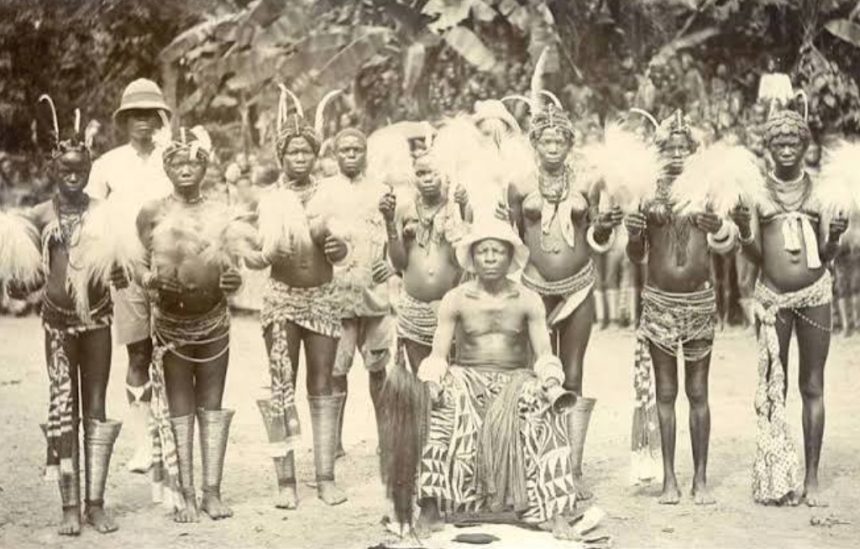
Africa is widely recognized for its extraordinary cultural diversity, with thousands of ethnicity, hundreds of languages, and centuries of traditions that continue to shape communities across the continent. These rich cultural identities have been preserved not only through customs and ceremonies but also through storytelling, a practice that has served as a cornerstone of African societies for generations. Today, literature plays a vital role in documenting these traditions, ensuring that valuable cultural knowledge is preserved and shared with readers across the world.
Long before written books became widespread, African communities relied on oral storytelling and folktales to record history, pass on moral values, and educate younger generations. Elders often gathered families and children to share stories during community gatherings or around evening fires, using memorable narratives to teach lessons about honesty, courage, wisdom, respect, perseverance, and responsibility. These stories became an essential part of cultural identity, allowing knowledge to be passed from one generation to the next.
Although oral traditions remain important in many communities, the growth of African literature has helped preserve these stories in written form. Authors across the continent have transformed traditional folktales, historical accounts, and cultural experiences into books that can be read by audiences far beyond their local communities. As a result, literature has become one of the most effective tools for safeguarding Africa’s cultural heritage while introducing global readers to the continent’s diverse histories,culture and traditions.
African literature extends far beyond entertainment. Many works explore themes that remain deeply relevant in contemporary society, including family relationships, leadership, justice, community responsibility, spirituality, resilience, and the challenges of balancing tradition with modernization. Through novels, short stories, poetry, and essays, African writers provide thoughtful reflections on both historical experiences and present-day realities, encouraging readers to understand the social and cultural forces that shape communities across the continent.
One of the defining strengths of African literature is its ability to present authentic cultural perspectives. Rather than relying on stereotypes or simplified narratives, many authors draw directly from their own experiences, languages, and traditions. Their works offer readers valuable insights into local customs, traditional ceremonies, marriage practices, naming rituals, festivals, music, clothing, and community life, providing a more complete understanding of Africa’s remarkable diversity.
Several African writers have earned international recognition for preserving and celebrating the continent’s cultural heritage through literature. Nigerian novelist Chinua Achebe introduced readers around the world to Igbo society through Things Fall Apart, a landmark novel that remains one of Africa’s most influential literary works. Nobel Prize-winning playwright Wole Soyinka has contributed extensively to discussions of African identity, politics, and history through his plays and essays. Other respected voices, including Ngũgĩ wa Thiong’o, Chimamanda Ngozi Adichie, Ama Ata Aidoo, Tsitsi Dangarembga, and Ben Okri, have also made significant contributions to global literature while highlighting African experiences and perspectives.
Traditional African folktales continue to hold lasting educational value despite the rapid growth of modern technology. Stories featuring animals such as the tortoise, hare, lion, elephant, and spider often use humor and symbolism to teach important moral lessons about honesty, patience, humility, cooperation, and wisdom. Because these narratives combine entertainment with meaningful life lessons, they remain popular in homes, classrooms, and community settings across many parts of Africa.
The continued publication of African literature also strengthens cultural identity among younger generations. As societies become increasingly interconnected through globalization, books provide an opportunity for young readers to remain connected to their heritage while gaining a deeper appreciation for the traditions that shaped their communities. Reading stories rooted in African cultures can inspire pride, encourage curiosity, and promote a stronger sense of belonging.
Beyond preserving heritage, African literature also helps foster greater cross-cultural understanding. Readers from different parts of the world gain access to authentic accounts of African history, traditions, and everyday life, allowing them to appreciate the continent’s complexity and diversity. This broader perspective challenges misconceptions, encourages meaningful dialogue, and promotes mutual respect among people from different cultural backgrounds.
Educators, parents, libraries, and community organizations all play an important role in encouraging young people to discover African books. Introducing children and students to works by African authors not only improves literacy but also helps ensure that cultural traditions remain relevant for future generations. School reading programs, literary festivals, and book clubs can further support this goal by creating opportunities for discussion and deeper engagement with African stories.
Developing a reading culture centered on African literature also benefits society by promoting lifelong learning and critical thinking. Literature encourages readers to analyze ideas, understand historical contexts, and appreciate multiple perspectives. These skills are valuable not only in education but also in everyday decision-making, civic engagement, and personal development.
As the global literary landscape continues to evolve, African literature remains an essential source of knowledge, creativity, and cultural preservation. Through powerful storytelling, respected authors continue to document the continent’s traditions, celebrate its diversity, and address the challenges and aspirations of modern African societies. Their works ensure that valuable cultural experiences remain accessible to future generations.
Ultimately, exploring African literature offers readers far more than engaging stories. It provides an opportunity to understand the values, beliefs, and histories that have shaped communities across the continent for centuries. By preserving oral traditions in written form and sharing authentic African voices with the world, literature continues to strengthen cultural identity, encourage meaningful dialogue, and inspire readers to appreciate one of humanity’s richest cultural heritages.