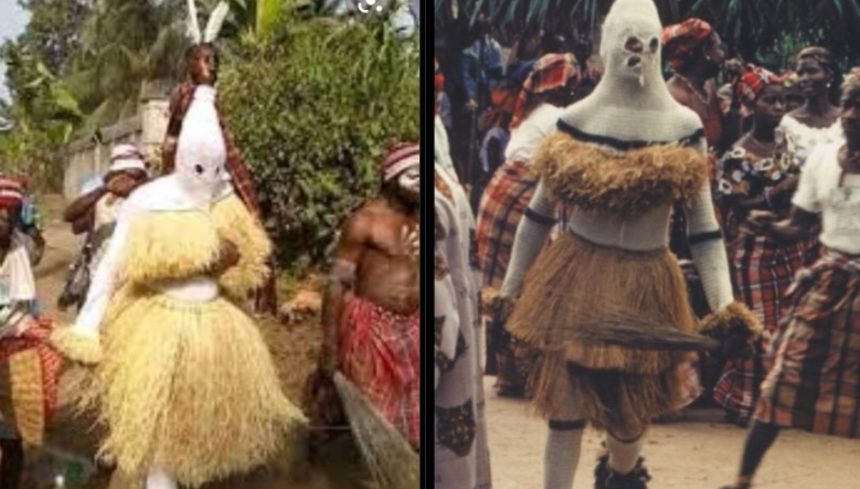
Traditional festivals continue to play a vital role in preserving the history, customs, and identity of communities around the world. For centuries, these cultural celebrations have brought people together through music, dance, storytelling, traditional attire, local cuisine, and religious ceremonies that reflect the values and beliefs passed down from one generation to the next. As societies become increasingly influenced by modernization and globalization, these events remain essential in safeguarding traditions that might otherwise fade over time.
In many countries, traditional festivals serve as living reminders of a community’s origins and historical journey. They provide opportunities for people to reconnect with their roots while celebrating the customs that define their cultural identity. Whether held in rural villages or major cities, these gatherings reinforce a sense of belonging and ensure that younger generations develop an appreciation for their heritage.
Rapid technological advancement and changing lifestyles have transformed how people interact, work, and communicate. While these developments have created new opportunities, they have also contributed to the gradual decline of some traditional practices. As younger generations become more exposed to global cultures through digital platforms, preserving indigenous customs has become an important priority for cultural organizations, educators, and community leaders seeking to keep local traditions alive.
One of the most significant contributions of traditional festivals is their ability to strengthen cultural identity. Every ethnic group and community possesses unique customs, languages, music, dances, folklore, and artistic expressions that distinguish it from others. Festivals provide an opportunity to showcase these traditions publicly, allowing both residents and visitors to experience the richness of local heritage. This sense of cultural pride encourages communities to preserve practices that have been maintained for generations.
Traditional festivals also make valuable contributions to local and national economies. Many of these celebrations attract thousands of domestic and international visitors, creating increased demand for hotels, restaurants, transportation services, and retail businesses. Local markets often experience higher sales as traders offer handmade crafts, traditional clothing, artwork, food, and souvenirs to festival attendees. The economic activity generated during these events provides income for small businesses and supports entrepreneurship within host communities.
Beyond tourism, festivals provide important opportunities for artists and creative professionals to showcase their talents. Musicians, dancers, painters, sculptors, fashion designers, photographers, actors, and storytellers frequently use these occasions to present their work before large audiences. Such exposure can lead to new business opportunities, partnerships, and wider recognition while helping preserve artistic traditions that form an essential part of cultural heritage.
Community unity is another major benefit associated with traditional celebrations. Festivals encourage people from different families, generations, and backgrounds to come together in a shared environment of celebration and cooperation. Many individuals who have relocated to other cities or countries often return home to participate in annual festivals, strengthening family relationships and renewing community bonds. These gatherings foster social harmony by encouraging collaboration, mutual respect, and a collective appreciation of shared traditions.
In addition to entertainment, traditional festivals serve as important educational platforms. Cultural performances, oral storytelling, historical reenactments, and ceremonial activities provide younger generations with valuable lessons about their ancestry, heroes, customs, and moral values. These experiences help preserve indigenous knowledge that may not be fully documented in books or formal educational materials. By participating in these events, young people gain a deeper understanding of their cultural heritage while learning the importance of protecting it.
Technology has also become an important tool for preserving and promoting traditional festivals. Social media platforms, websites, livestreams, and digital archives now allow cultural events to reach audiences far beyond their local communities. People who cannot attend in person can still experience performances through online broadcasts, while photographs, videos, and documentaries create permanent records that preserve these celebrations for future generations. Digital technology has expanded global awareness of cultural heritage and increased opportunities for cultural exchange.
Despite their importance, many traditional festivals continue to face significant challenges. Urbanization, changing lifestyles, declining youth participation, commercialization, and limited financial support have threatened the survival of some cultural celebrations. In certain communities, indigenous languages and traditional practices are gradually disappearing as older custodians struggle to pass their knowledge to younger generations. Addressing these issues requires sustained investment, public awareness, and active participation from governments, educational institutions, cultural organizations, and local communities.
Protecting cultural heritage is a shared responsibility that extends beyond festival organizers alone. Supporting local artists, attending cultural events, teaching traditional customs to children, preserving indigenous languages, and investing in cultural education all contribute to ensuring these celebrations remain relevant. Governments can further strengthen preservation efforts by establishing cultural centers, funding heritage projects, and promoting tourism initiatives that celebrate local traditions while encouraging sustainable economic development.
Traditional festivals represent far more than annual celebrations. They are enduring expressions of history, identity, creativity, and community spirit that connect people with their past while inspiring future generations. As globalization continues to reshape societies, preserving these cultural traditions becomes increasingly important for maintaining diversity, strengthening social cohesion, and promoting sustainable development. By embracing both innovation and tradition, communities can ensure that their cultural heritage continues to thrive for many years to come.