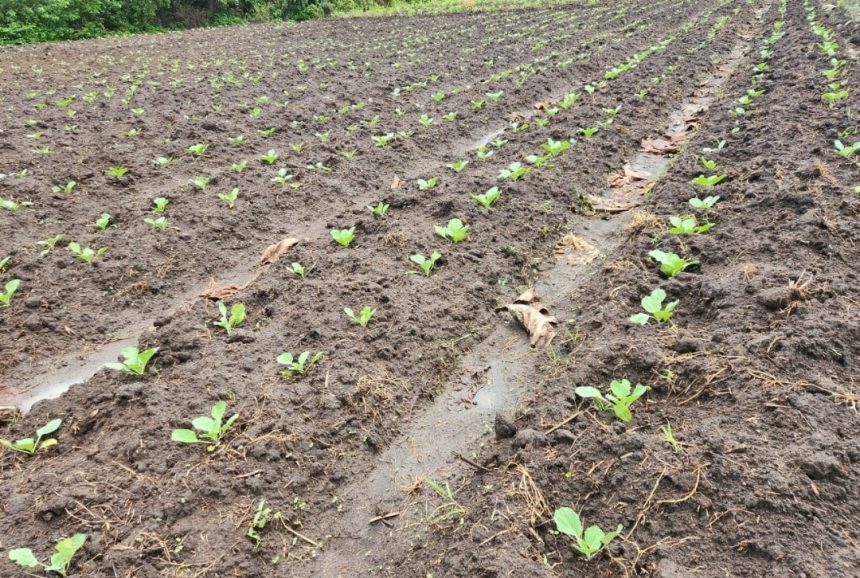
Agriculture continues to play a crucial role in Nigeria’s economy, offering countless opportunities for individuals seeking sustainable sources of income. With food prices remaining high and demand for fresh, locally produced crops increasing across the country, many Nigerians are turning to farming as a practical way to build wealth. The sector remains attractive because it allows entrepreneurs to start on a modest scale while expanding gradually as profits grow.
One of the biggest advantages of modern farming is that success no longer depends on owning vast hectares of land or having enormous startup capital. By selecting crops with strong market demand, adopting improved farming techniques, and managing resources efficiently, small-scale farmers can establish profitable businesses capable of generating consistent returns throughout the year.
For those considering investing in agriculture in 2026, several crops stand out because of their reliable demand, commercial value, and income potential. These crops serve households, restaurants, food processors, supermarkets, and export markets, making them suitable choices for both new and experienced farmers.
Tomatoes remain among Nigeria’s most profitable vegetable crops due to their widespread use in everyday cooking. They are essential ingredients in soups, stews, sauces, and numerous local dishes, ensuring constant demand throughout the year. Farmers who implement proper irrigation systems, apply effective pest management practices, and cultivate tomatoes during periods of limited supply often enjoy premium market prices and multiple harvests within a single production cycle.
Maize also ranks among the country’s most valuable agricultural commodities. Beyond serving as a staple food for millions of Nigerians, maize is an important ingredient in livestock feed, poultry production, and several food-processing industries. Because demand remains consistently high, farmers who invest in improved seed varieties and proper farm management practices can achieve higher yields while maintaining a dependable source of income.
Fresh pepper is another crop that continues to offer attractive business opportunities. Hotels, restaurants, food vendors, retailers, and households purchase pepper daily, creating a steady market throughout the year. Pepper plants are capable of producing fruits over several months, allowing repeated harvesting from a single planting season. Adequate watering, weed control, and proper fertilization can further improve productivity and profitability.
Cassava has maintained its position as one of Nigeria’s most important food crops because of its adaptability to different soil and weather conditions. While selling freshly harvested tubers can generate revenue, farmers often earn greater profits by processing cassava into products such as garri, flour, starch, fufu, and other value-added commodities. Processing not only increases earnings but also extends shelf life and opens access to wider markets.
Ginger continues to gain recognition as a highly valuable commercial crop with growing domestic and international demand. Nigeria remains one of Africa’s leading producers, supplying ginger for use in food processing, beverages, spices, pharmaceuticals, and exports. Farmers who meet quality standards have opportunities to tap into lucrative export markets, making ginger cultivation an appealing option for commercial agriculture.
Cucumber farming has become increasingly popular because of its relatively short maturity period and rising consumer demand. Many cucumber varieties can be harvested within six to seven weeks after planting, enabling farmers to generate income quickly. Health-conscious consumers, supermarkets, and fresh produce retailers continue to drive demand, making cucumbers an excellent choice for growers seeking fast returns on investment.
Okra also deserves consideration due to its popularity in Nigerian cuisine and consistent market demand. The crop matures quickly and allows multiple harvests over several weeks, providing farmers with repeated sales opportunities during a single production season. Its strong acceptance in both rural and urban markets contributes to its commercial appeal.
Plantain farming offers a different type of investment by providing long-term productivity. Although plantain requires more time to reach maturity than many vegetables, each healthy plant produces suckers that develop into future crops, ensuring continuous production. Fresh plantain, roasted plantain, plantain chips, and plantain flour remain highly sought after by consumers, creating several income streams for farmers willing to invest for the long term.
Experts emphasize that selecting the right crop is only part of building a successful agricultural enterprise. Farmers are encouraged to use improved seed varieties, carry out soil testing whenever possible, control weeds and pests promptly, maintain accurate financial records, and adopt irrigation techniques that reduce the effects of dry weather. Establishing reliable buyers before harvest and exploring value-added processing can also improve profitability while reducing post-harvest losses.
As Nigeria’s population continues to grow and food demand rises, agriculture is expected to remain one of the country’s most promising business sectors. Crops such as tomatoes, maize, pepper, cassava, ginger, cucumbers, okra, and plantain provide excellent opportunities for both new and experienced farmers to earn sustainable income. By starting on a manageable scale, embracing modern farming practices, and reinvesting profits into expansion, entrepreneurs can build resilient agricultural businesses capable of generating long-term financial success.