Agriculture continues to stand out as one of the most promising industries for entrepreneurs seeking sustainable income and long-term business growth. Rising demand for food, changing consumer preferences, and improved access to modern farming methods have created opportunities for individuals to establish profitable agricultural ventures without investing huge amounts of capital.
Contrary to the common belief that farming requires extensive land and significant financial resources, many successful agribusinesses begin on a modest scale. With careful planning, dedication, and a willingness to learn, aspiring farmers can build thriving enterprises that expand over time. Whether you live in a rural community or have limited space in an urban area, there are several farming businesses that can be launched with relatively low startup costs.
One of the most popular options is poultry farming, which continues to generate steady income for farmers around the world. Raising broiler chickens for meat or layers for egg production offers year-round market demand, making it an attractive venture for beginners. Starting with a small flock allows new farmers to gain practical experience before gradually increasing production. Maintaining proper hygiene, providing balanced nutrition, and following recommended vaccination schedules are essential for maximizing productivity.
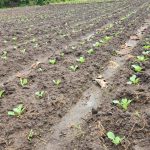
Another profitable opportunity is vegetable farming. Crops such as tomatoes, peppers, spinach, cucumbers, lettuce, and other leafy vegetables are consumed daily by households, restaurants, and food vendors. Many vegetables mature within a few months, allowing farmers to harvest multiple times each year. Even a small piece of land, when properly managed with quality seeds and good irrigation practices, can produce impressive yields and consistent income.
Fish farming has also become an increasingly attractive business due to the growing demand for fresh fish. Species such as catfish and tilapia remain popular in local markets and among restaurants. Farmers can choose from concrete ponds, earthen ponds, tarpaulin ponds, or plastic tanks depending on available resources. Regular water management, quality feed, and proper stocking density are key factors that influence successful fish production.
For individuals looking for a business with minimal space requirements, snail farming presents an excellent alternative. Snails require relatively little maintenance, reproduce quickly under suitable conditions, and have growing demand in the hospitality and food industries. Similarly, mushroom farming can be established indoors using agricultural waste materials as growing media. Mushrooms mature within a short period and continue to gain popularity among consumers seeking nutritious and healthy food options.
Beekeeping is another agricultural venture worth considering. Besides producing natural honey, beekeepers can also earn income from beeswax and other bee-related products. Once hives are properly established, routine maintenance is generally less demanding than many livestock operations. With increasing consumer preference for natural sweeteners and organic products, honey production offers strong market potential in both local and international markets.
Crop farming also provides numerous opportunities for beginners. Maize farming remains an essential part of food production, supplying grain for household consumption, livestock feed, and industrial processing. Likewise, cassava farming continues to play a major role in food security because cassava can be processed into products such as garri, flour, starch, fufu, and ethanol. Its ability to perform well under varying weather conditions makes it a dependable crop for many farmers.
Farmers interested in serving niche markets may consider herb farming highly rewarding. Herbs including basil, mint, parsley, rosemary, thyme, and scent leaf are widely used by restaurants, supermarkets, food manufacturers, and health-conscious consumers. Fresh herbs command attractive prices, while dried and packaged herbs offer additional opportunities for value-added income and longer shelf life.
For those willing to invest in long-term production, fruit farming remains a dependable business. Fruit trees such as mangoes, oranges, lemons, guavas, and pawpaw require patience during their early growth stages but can produce harvests for many years after reaching maturity. Combining fruit production with effective marketing strategies, proper storage, and direct sales to consumers can significantly improve profitability over time.
Regardless of the farming venture you choose, long-term success depends on careful planning and sound management practices. Agricultural experts recommend starting on a manageable scale, learning modern production techniques, keeping detailed financial records, investing in quality seeds or healthy livestock, and establishing reliable markets before harvest. Farmers who embrace technology, use social media to promote their products, and continuously improve their knowledge are better positioned to remain competitive in today’s agricultural sector.
As demand for food continues to rise globally, agriculture offers one of the most resilient business opportunities available. From poultry and fish farming to vegetable cultivation, beekeeping, and fruit production, aspiring entrepreneurs have numerous pathways to build profitable enterprises with limited capital. Starting small, focusing on quality, and expanding gradually can lay the foundation for a successful farming business capable of generating sustainable income for years to come.