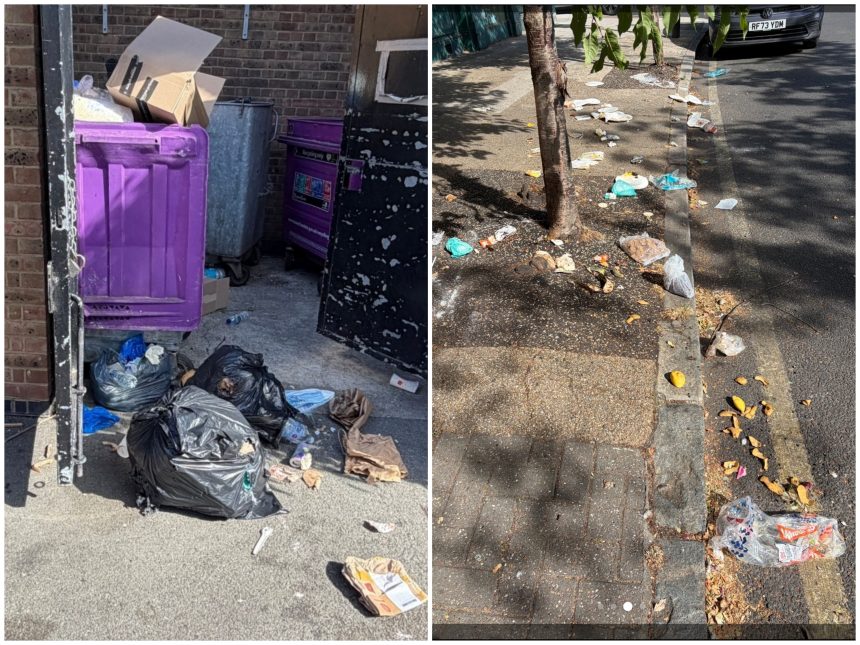
Environmental protection has become a rising important issue as communities around the world face challenges relating to pollution, waste, deforestation, climate change and the loss of natural habitats. A healthy environment provides the primary resources people depend on like clean air, water, fertile soil and natural resources.
Although governments and top organisations have an important role to play in addressing environmental problems, individuals and local communities can also make meaningful contributions. Everyday decisions about waste, energy, water, transportation and consumption can influence how natural resources are used and preserved.
Environmental protection does not always require expensive technology or major lifestyle changes. Many useful practices can begin at home, in schools, workplaces and neighbourhoods. When such actions are adopted by large numbers of people, they can contribute to cleaner surroundings and more responsible use of natural resources.
1. Reduce the Amount of Waste You Produce
Reducing waste is one of the most practical ways individuals can contribute to environmental protection. Buying products only when they are necessary can help reduce unnecessary consumption and the resources required to manufacture, transport and dispose of those products. Consumers can also look for products with less packaging and choose reusable items where practical. Reusable shopping bags, food containers and water bottles can reduce dependence on disposable alternatives.
Before throwing an item away, it may also be worth considering whether it can be repaired, reused, donated or recycled. Extending the useful life of products can reduce the amount of material entering waste streams.
Reducing waste is particularly important because waste management can place pressure on local authorities and communities when collection, recycling and disposal systems are inadequate.
2. Dispose of Household and Business Waste Responsibly
The way waste is discarded can have a direct effect on the cleanliness and safety of communities. Rubbish dumped on streets, in drainage channels or near waterways can contribute to pollution and create additional problems during periods of heavy rainfall. Plastic materials and other forms of waste can block drainage systems, while improperly discarded materials may eventually reach rivers and other water bodies.
Households and businesses should therefore use appropriate waste collection and disposal services where they are available. Hazardous materials, electronic waste and other specialised waste should also be handled through appropriate channels rather than simply being mixed with ordinary household rubbish.
Community sanitation programmes and public education can further encourage residents to take responsibility for keeping their surroundings clean.
3. Plant Trees and Protect Existing Forests
Trees are an important part of healthy ecosystems. They provide habitats for wildlife, offer shade, help protect soil and contribute to the natural cycling of carbon and water. Planting trees can therefore be a useful environmental activity, particularly when the right species are selected for the local environment and newly planted trees are properly maintained.
However, environmental conservation involves more than planting new trees. Protecting existing forests, wetlands and other natural ecosystems is equally important because mature habitats can support a wide variety of plants and animals.
Individuals, schools, community organisations and local authorities can participate in responsible tree-planting and conservation programmes while discouraging unnecessary destruction of natural vegetation.
4. Use Electricity More Efficiently
Energy conservation can benefit both households and the environment. Simple habits such as switching off lights, fans, televisions and other appliances when they are not needed can prevent unnecessary electricity consumption. Energy-efficient lighting and appliances can also help households reduce the amount of electricity required for everyday activities.
Where conditions allow, renewable energy systems such as solar power can provide an alternative or supplementary source of electricity. The suitability and affordability of such systems vary between households and locations, so consumers should consider their individual circumstances before making an investment.
Using energy more efficiently is particularly relevant in countries where electricity generation still relies significantly on fossil fuels, which are associated with greenhouse gas emissions.
5. Make Water Conservation Part of Everyday Life
Water is essential for drinking, sanitation, agriculture, industry and many other activities. Despite its importance, water can be wasted through leaking pipes, running taps and inefficient household practices. Simple measures can help reduce unnecessary consumption. Repairing leaking taps and pipes, turning off taps when they are not needed and using water carefully during household chores are practical starting points.
In locations where it is safe and permitted, collected rainwater may also be useful for certain non-drinking purposes.
Water conservation is not simply an environmental responsibility. It can also help households reduce waste and protect supplies that communities may depend on during periods of limited availability.
6. Take Steps to Reduce Plastic Pollution
Plastic has become an important part of modern life because it is lightweight, durable and widely available. However, plastic waste can create serious environmental problems when it is poorly managed. Discarded plastic can accumulate in streets, drainage systems and waterways. Some plastic materials can also remain in the environment for long periods, creating risks for ecosystems and wildlife.
Consumers can help reduce the problem by choosing reusable products, avoiding unnecessary single-use plastic items and disposing of plastic waste through appropriate collection or recycling systems where available.
Businesses can contribute as well by reducing excessive packaging and considering more sustainable materials and production practices where they are practical and environmentally appropriate.
7. Help Protect Wildlife and Natural Habitats
Wildlife and natural habitats are important components of functioning ecosystems. Plants, insects, birds, mammals and other organisms interact in ways that support processes such as pollination, seed dispersal and nutrient cycling. When forests, wetlands and other habitats are destroyed or severely degraded, wildlife can lose the food, shelter and breeding areas necessary for survival.
Protecting biodiversity therefore has benefits beyond wildlife conservation. Healthy ecosystems can also support agriculture, water systems and other activities on which communities depend.
People can contribute by avoiding activities that damage natural habitats, refusing to participate in illegal wildlife trade and supporting legitimate conservation initiatives.
8. Consider More Sustainable Transportation Options
Transportation is another area where individual choices can influence environmental outcomes. Vehicles powered by fossil fuels can contribute to air pollution and greenhouse gas emissions. Where safe and practical options exist, people can consider walking, cycling, carpooling or using public transportation for some journeys. These options may not be suitable for every person or location, but reducing unnecessary individual vehicle trips can help lower fuel consumption.
Vehicle maintenance also matters. Properly maintained vehicles can operate more efficiently, while keeping tyres correctly inflated and avoiding unnecessary engine idling can help reduce avoidable fuel consumption.
Communities and governments can support cleaner transportation by improving public transport systems, pedestrian infrastructure, cycling facilities and other forms of sustainable mobility.
9. Promote Environmental Education
People are more likely to make responsible environmental decisions when they understand the consequences of their actions. Schools can introduce students to topics such as conservation, recycling, pollution prevention, biodiversity and responsible resource use. Families can reinforce these lessons through everyday practices at home.
Community groups, businesses and public institutions can also organise awareness programmes, clean-up campaigns and educational activities.
Environmental education is especially important for younger generations because the habits developed during childhood can influence behaviour later in life. Teaching practical conservation principles can help create communities that are more conscious of their environmental responsibilities.
10. Participate in Local Environmental Initiatives
Environmental challenges are often shared by entire communities, making collective action particularly valuable. Residents can participate in neighbourhood clean-ups, tree-planting programmes, recycling initiatives, conservation campaigns and activities aimed at protecting local waterways.
Businesses can support environmental projects through responsible waste management, community partnerships and sustainable operating practices. Local authorities also have a crucial responsibility to provide effective waste collection systems, enforce environmental regulations and invest in infrastructure that supports sustainable development.
When individuals, businesses, community organisations and government institutions work together, environmental initiatives can achieve broader and more lasting results.
Why Environmental Protection Matters
Protecting the environment has implications for health, food production, economic activity and quality of life. Clean water is essential for households and agriculture, while healthy soil supports food production and natural ecosystems provide habitats for plants and animals.
Environmental degradation can make existing challenges more difficult. Pollution can affect air and water quality, while deforestation and poor land management can contribute to erosion, habitat loss and declining biodiversity.
For this reason, environmental protection should not be viewed solely as a conservation issue. It is also connected to the long-term wellbeing and resilience of communities.
Building a More Sustainable Future
Creating a healthier environment requires sustained effort rather than a single action. Individuals can begin by making practical changes to how they consume resources, manage waste, use water and electricity and interact with their surroundings.
At the same time, governments and businesses must address environmental challenges at a broader level through effective policies, infrastructure, conservation programmes and responsible production practices.
No single person or organisation can solve every environmental problem. However, collective action can make a meaningful difference. Small decisions repeated consistently by households, businesses and communities can contribute to more responsible resource use.
Protecting the environment is about safeguarding the natural systems that support present and future generations. By reducing waste, conserving resources, protecting ecosystems and supporting environmental education, communities can take practical steps towards a cleaner and more sustainable future.