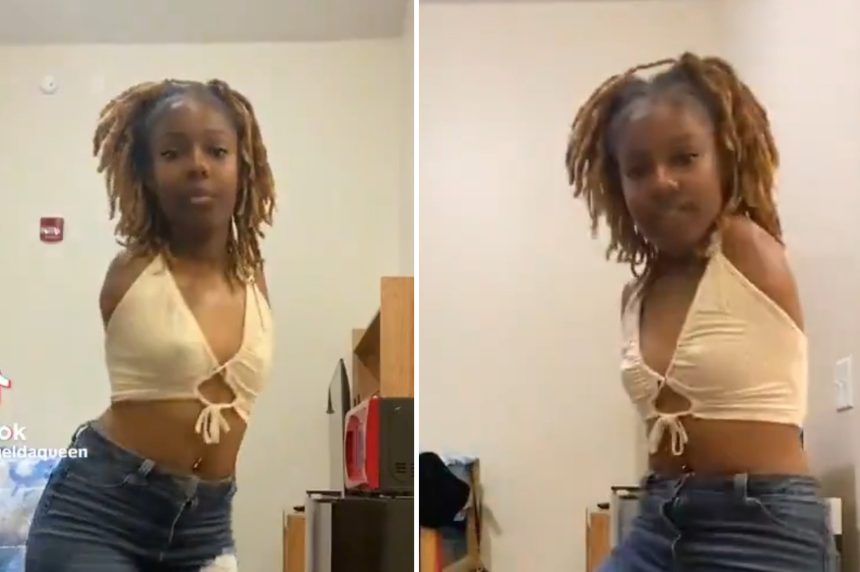
A TikTok user popular known as angeldaqueen, who was born without hands has become the focus of widespread online discussion after her videos gained attention, prompting thousands of viewers to ask questions about how she manages everyday life while inspiring many with her confidence and resilience.
The content creator, whose identity has not been widely highlighted beyond her TikTok presence, regularly shares photos and videos that offer insights into her daily routine. Instead of allowing her physical disability to define her, she has built an online presence centered on self-confidence and embracing life without limitations. Her growing audience has praised her willingness to share her experiences openly, while her content has also sparked curiosity among people eager to understand how she carries out everyday activities.
As her videos continue to circulate across TikTok and other social media platforms, comment sections have filled with questions from viewers who want to know how she performs routine tasks. Many have asked how she dresses herself, eats, uses the bathroom, operates her phone, and handles other daily responsibilities without hands. Others have questioned whether she lives independently or receives assistance from relatives or professional caregivers, noting that she is usually seen alone in her videos.
The growing interest has fueled broader conversations about disability, independence, and accessibility. While some users admit their questions stem from genuine curiosity rather than judgment, disability advocates have encouraged people to ask respectfully and avoid making assumptions about another person’s capabilities based solely on short videos shared online.
Supporters of the TikTok creator have been quick to defend her against criticism, describing her as an example of determination and self-belief. Many users have applauded her for refusing to hide her disability and instead choosing to use social media as a platform to promote confidence, resilience, and acceptance. They argue that her willingness to share her life publicly is helping to challenge outdated stereotypes about people living with physical disabilities.
However, not every response has been positive. Some individuals have posted insensitive remarks about her appearance or questioned her ability to live independently. Those comments have drawn criticism from many other users, who argue that mocking someone because of a disability only reinforces harmful attitudes and ignores the individual’s achievements and personal strength.
The discussion has also highlighted the many adaptive methods that people with disabilities use to complete everyday tasks. Depending on their individual circumstances, many rely on specialized equipment, personal techniques developed over time, or occasional assistance from family members, friends, or caregivers. Disability advocates note that independence does not look the same for everyone and should not be measured by unrealistic expectations.
Beyond answering questions about daily life, the creator’s content has encouraged many viewers to think differently about disability. Her confidence in front of the camera and her positive outlook have inspired messages of encouragement from followers who say her videos demonstrate that physical limitations do not prevent someone from pursuing their goals, expressing themselves creatively, or building a successful online community.
Several social media users have also praised her for helping normalize conversations about disability. They believe her growing popularity is creating opportunities to educate the public about inclusion, accessibility, and the importance of treating people with disabilities with dignity and respect rather than pity or discrimination.
Disability advocates say public curiosity can be valuable when it encourages understanding, but they also stress the importance of respecting personal boundaries. While educational discussions can help reduce misconceptions, individuals living with disabilities should not feel pressured to explain every aspect of their private lives simply because they have a public platform.
As the TikTok user’s popularity continues to rise, many believe her influence extends far beyond entertainment. Her videos have become part of a wider conversation about representation, confidence, and the everyday experiences of people living with disabilities. For many followers, her content serves as a reminder that courage, determination, and self-worth are not defined by physical appearance.
The ongoing discussion surrounding her account reflects the growing role social media plays in shaping public attitudes toward disability. While opinions online remain divided, one thing is clear: her story has captured widespread attention, encouraging millions of people to reflect on inclusion, empathy, and the importance of seeing individuals for their abilities rather than their limitations.
As conversations continue across social media, the TikTok creator remains a powerful example of resilience and self-confidence. Whether viewers arrive at her page out of curiosity or admiration, many leave with a greater appreciation for the strength, adaptability, and determination demonstrated by people living with disabilities every day.