Men’s fashion continues to evolve, but dressing well does not always require an expensive wardrobe or following every trend that appears on social media. For many men, developing a strong personal style starts with understanding the basics: choosing clothes that fit properly, combining colours effectively, maintaining garments and dressing appropriately for different occasions.
A well considered outfit can make a difference in professional, social and everyday situations. Whether a man is preparing for a business meeting, attending a wedding, going on a date or meeting friends, the way he dresses can contribute to a neat and confident appearance.
The good news is that improving personal style does not necessarily mean replacing an entire wardrobe. Strategic changes, better clothing choices and proper garment care can help a man create more outfit combinations while getting greater value from the clothes he already owns.
Here are 10 practical men’s fashion tips that can help men build a more versatile wardrobe and improve their personal style in 2026.
1. Prioritise the Fit of Your Clothes
One of the most important principles of men’s fashion is finding clothing that fits correctly. The price or brand of a garment cannot compensate for a poor fit.
A designer shirt that is excessively loose or uncomfortably tight may look less polished than an affordable shirt that fits the wearer properly. When purchasing shirts, jackets and T-shirts, men should pay attention to areas such as the shoulders, chest, sleeves and overall length.
The same principle applies to trousers. They should sit comfortably around the waist without being excessively tight or falling loosely around the body. When a garment is almost right but requires a minor adjustment, professional tailoring can make a significant difference.
2. Build Your Wardrobe Around Versatile Essentials
A useful men’s wardrobe does not have to contain dozens of items. Having a selection of dependable basics can make dressing easier and provide a foundation for different outfits.
Useful wardrobe staples can include plain T-shirts, well-fitting jeans, chinos, button-down shirts, polo shirts, versatile jackets and clean sneakers. Neutral shades such as black, white, navy, grey, beige and brown can also make individual pieces easier to combine.
Once these essentials are in place, men can gradually introduce distinctive pieces, seasonal clothing and selected fashion trends without having to rebuild their wardrobe every time styles change.
3. Understand How to Combine Colours
Colour coordination is another important part of developing a polished appearance. Wearing several strong colours simultaneously is not necessary to create an interesting outfit.
For men who are still developing their fashion sense, starting with neutral colours can make outfit planning considerably easier. A navy shirt, for example, can be paired with beige trousers, while a white T-shirt can work naturally with blue jeans and neutral footwear.
As confidence grows, stronger colours can be introduced in smaller amounts through shirts, jackets, footwear or accessories. The goal is to create combinations that look intentional rather than unnecessarily complicated.
4. Pay Attention to Your Footwear
Shoes are often one of the most noticeable parts of an outfit, which makes footwear an important consideration when putting together a look.
A basic casual outfit can appear more polished when it is paired with clean and suitable sneakers. For formal or semi-formal occasions, loafers, dress shoes and other appropriate footwear may be more suitable.
Keeping shoes in good condition is equally important. Dirt, excessive wear and poor maintenance can affect the appearance of an otherwise carefully selected outfit.
Rather than buying numerous pairs, men can focus on owning several versatile options that match their lifestyle and the occasions they regularly attend.
5. Dress for the Occasion
Being fashionable also means understanding what is appropriate for different situations. An outfit that works well for a casual weekend may not be suitable for a job interview, wedding or formal business event.
Before selecting an outfit, consider the location, purpose of the event, expected dress code and time of day. Paying attention to these factors can prevent a man from appearing either underdressed or unnecessarily overdressed.
Learning the difference between casual, smart-casual, business and formal clothing can help men make more confident decisions when preparing for important occasions.
6. Look After the Clothes You Already Own
Good personal style is not simply about buying new clothing. Proper maintenance can help existing garments remain presentable and usable for longer.
Men should follow the care instructions provided on clothing labels, particularly when dealing with delicate materials. Appropriate washing, drying and storage methods can help preserve the shape and condition of garments.
Small repairs should also be addressed rather than ignored. Loose threads, missing buttons and minor damage can often be dealt with before they become larger problems. Removing stains promptly and ironing or steaming garments when necessary can also improve their overall appearance.
Taking care of clothing can reduce unnecessary replacement and help men get more value from their wardrobes.
7. Do Not Follow Every Fashion Trend
Men’s fashion trends can change quickly, particularly with the influence of social media and online fashion communities. While trends can provide inspiration, trying to adopt every new style can become expensive and may make a wardrobe feel inconsistent.
A more practical approach is to build a foundation of timeless clothing and then introduce selected trends that suit your personality and lifestyle.
This approach also gives men greater freedom to experiment without allowing temporary trends to completely determine their appearance. Personal style should ultimately be about finding clothing that works for the individual rather than simply copying what is popular online.
8. Give Attention to Personal Grooming
Clothing is only one component of overall presentation. Grooming can complement an outfit and contribute to a clean, organised appearance.
Basic grooming may include maintaining the hair, keeping nails clean and cared for, managing facial hair where applicable and paying attention to personal hygiene and skincare.
A complicated or expensive routine is not necessarily required. Consistency, cleanliness and choosing grooming habits that suit an individual’s lifestyle can be more important than purchasing numerous products.
When clothing and grooming are both considered, even a relatively simple outfit can appear more polished.
9. Use Accessories to Complete an Outfit
Accessories can provide an opportunity for men to add personality to otherwise simple clothing. Depending on the occasion and personal preference, options can include watches, belts, sunglasses, hats, bracelets, wallets and understated jewellery.
However, accessories work best when they complement the rest of an outfit rather than competing for attention.
For a sophisticated appearance, men can start with a few practical pieces and consider how their materials, colours and designs work with their clothing. The right accessory can add character without making an outfit appear overly busy.
10. Develop a Personal Style That Suits You
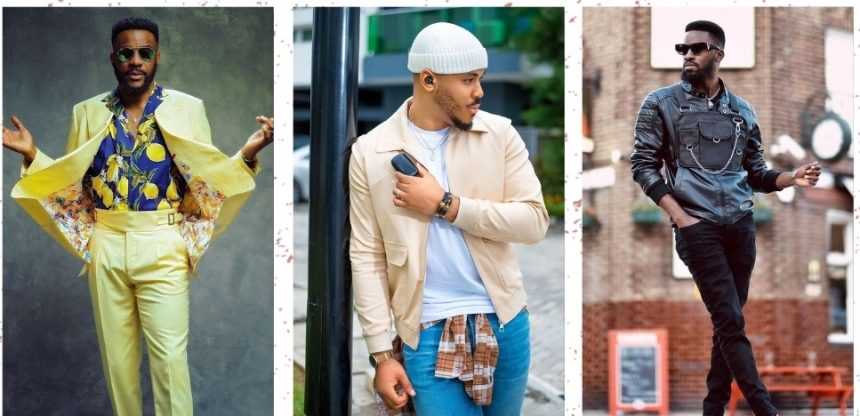
Perhaps the most valuable fashion lesson is learning what works for you personally. Inspiration can come from designers, celebrities, fashion publications, social media creators and people whose style you admire, but copying another person’s wardrobe entirely is rarely necessary.
Personal circumstances should play a role in clothing choices. A man’s occupation, daily activities, climate, budget, body shape and personal preferences can all influence what is practical and comfortable.
Over time, experimenting with different colours, cuts, footwear and accessories can make it easier to identify the combinations that feel natural. Confidence often comes from understanding why particular clothes work for you rather than simply wearing something because it is currently popular.
Why a Practical Wardrobe Matters
Building a better wardrobe does not necessarily require spending large amounts of money. In many cases, the most effective approach is to buy fewer pieces that are versatile, fit properly and can be combined with clothing already owned.
A carefully selected wardrobe can provide multiple outfits from a relatively small number of items. This can make daily dressing easier while reducing the temptation to make unnecessary purchases whenever a new fashion trend appears.
Men can also improve their style gradually. There is no requirement to change everything at once. Replacing poorly fitting pieces, improving footwear, learning basic colour combinations and taking better care of clothing can produce noticeable improvements over time.
Final Thoughts
Good men’s fashion is ultimately about more than expensive brands or constantly changing trends. Fit, versatility, colour coordination, appropriate footwear, grooming and clothing maintenance all play important roles in creating a polished appearance.
Men who want to improve their style can begin with the clothes they already own and identify areas that need improvement. Building a wardrobe around dependable essentials can then provide a strong foundation for experimenting with new styles.
Most importantly, personal fashion should be practical and individual. When men understand their own preferences and learn how to combine clothing effectively, looking well-dressed can become simpler, more affordable and more consistent in everyday life.