Zenith Bank has continued to expand its support for education in Nigeria through investments in digital learning, scholarships, infrastructure and other initiatives aimed at improving opportunities for students.
The bank’s education focused programmes have reached schools and higher institutions in different parts of the country, providing learners with access to technology, improved educational facilities and financial support for academic development.
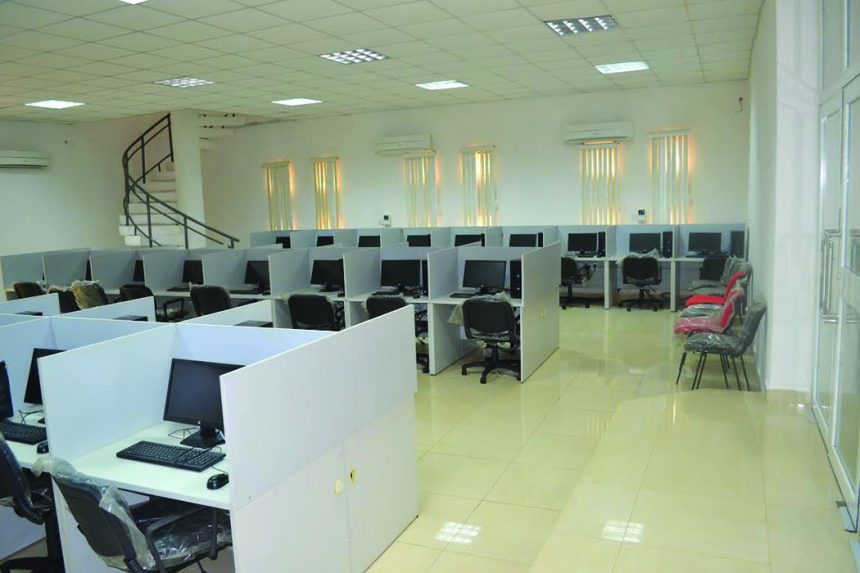
A major component of Zenith Bank’s education initiatives has been the expansion of digital learning facilities. The bank has established ICT centres and computer laboratories in educational institutions to promote digital literacy and give students access to technology based learning.
The facilities are particularly relevant as technology becomes increasingly important in education and the workplace. Access to computers and digital resources can provide students with opportunities to develop skills needed to participate in an increasingly technology driven economy.
Among the projects highlighted is a computer centre donated to Bamaina Academy in Dutse. The facility has provided students with improved access to digital learning tools in an area where such resources were previously limited.
Zenith Bank has also provided computers and ICT facilities to a number of universities across Nigeria. Institutions that have benefited from these interventions include Ebonyi State University, the University of Nigeria, Nsukka, Ambrose Alli University, Mountain Top University and Veritas University, Abuja.
At Lagos State University in Ojo, Lagos State, the bank developed an ultra modern ICT centre intended to support digital learning and strengthen the institution’s capacity for technology-based research.
The bank’s education interventions have also extended beyond technology. Zenith Bank has supported the renovation and construction of educational infrastructure in different locations, with projects focused on improving the physical environment in which students learn.
At Ojota Secondary School in Lagos, the bank renovated classrooms and upgraded learning facilities as part of efforts to provide students with a safer and more conducive educational environment.
Victoria Island Secondary School in Lagos has similarly benefited from renovation work aimed at improving facilities available to public-school students. Such projects address the importance of adequate physical infrastructure alongside access to digital resources.
In Taraba State, Zenith Bank constructed vocational training bungalows designed to provide young people with opportunities to develop practical skills. Vocational education can provide learners with technical abilities that may support future employment and entrepreneurship.
Financial assistance has also formed part of the bank’s education-related activities. Zenith Bank has provided scholarships and other forms of funding support intended to reduce some of the financial challenges faced by students and educational institutions.
At Louisville Girls High School in Ijebu-Itele, Ogun State, the bank provided funding for learning facilities and a sports complex. The intervention was aimed at supporting the school’s educational environment while expanding opportunities available to female students.
The bank also established a scholarship endowment fund at Francis Catholic Secondary School to provide support for students from underprivileged backgrounds. Scholarship programmes of this nature can help reduce financial barriers that might otherwise limit access to education.
Educational assistance has further been extended to programmes such as the North-East Children’s Fund, which supports students living in conflict affected areas and helps them continue their education despite difficult circumstances.
Alongside its investments in facilities and scholarships, Zenith Bank has promoted financial literacy among students through a nationwide programme focused on basic financial management. The initiative introduces young people to concepts such as saving, budgeting and responsible money management.
Financial literacy can give students an early understanding of how to manage money and make informed financial decisions. Introducing these concepts during their school years can also help young people develop practical knowledge that may become useful as they enter higher education, employment or business.
The combination of digital education, improved infrastructure, vocational training, scholarships and financial literacy reflects a broad approach to supporting education. Rather than focusing on a single area, the initiatives address several factors that can influence students’ access to learning and their preparation for future opportunities.
Education remains an important part of human capital development, particularly as Nigeria seeks to prepare a growing young population for changes in the labour market and the wider economy. Access to modern learning facilities and technology can help students acquire knowledge and skills that are increasingly relevant across different sectors.
By continuing to invest in schools and universities, Zenith Bank’s education programmes contribute to efforts to improve learning environments and expand opportunities for students in different parts of Nigeria. The initiatives also highlight the role that private sector investment can play alongside government and institutional efforts to strengthen the country’s education system.
The long term impact of such programmes will depend on how effectively the facilities, scholarships and training opportunities are maintained and used by beneficiaries. Ivestments in digital infrastructure, vocational education and financial support remain important components of efforts to equip young Nigerians with skills and opportunities for the future.