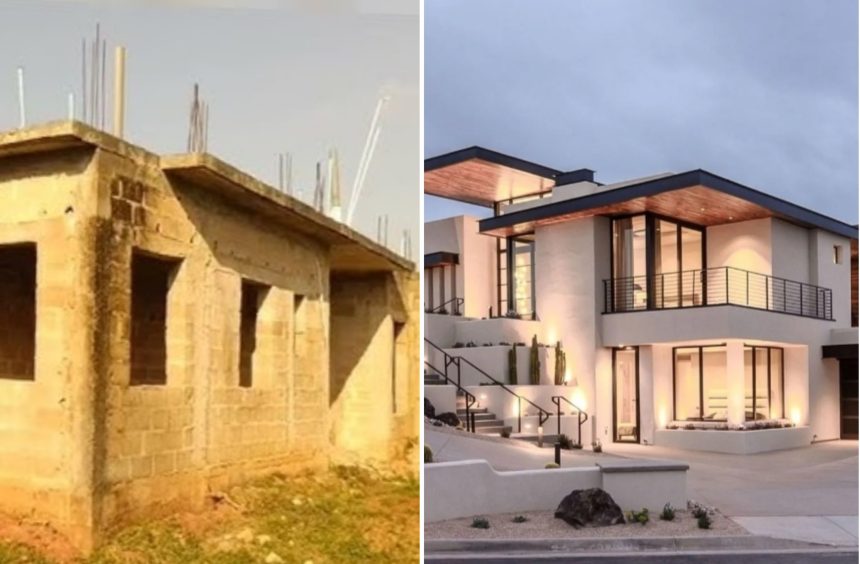
For many Nigerians, owning a home represents an important financial and personal milestone. Getting to that point often raises a difficult question: is it better to purchase an already completed house or acquire land and construct one from the ground up?
Both approaches have potential advantages, but they also come with different financial commitments, risks, timelines and responsibilities. While buying an existing property can offer convenience, building a home can give an owner greater control over its design.
There is no single answer that applies to every prospective homeowner. The better option depends on several personal circumstances, including available funds, location, preferred home design, time frame and willingness to manage either a property purchase or a construction project.
Buying an Existing House
Purchasing an already completed home can be attractive to people who want to avoid the demands associated with building. Instead of coordinating contractors, sourcing building materials and monitoring different stages of development, the buyer can inspect an existing structure before deciding whether it meets their needs.
One of the major benefits of buying is the ability to see the property before committing to it. Prospective homeowners can inspect the rooms, building structure, surroundings, access roads and available facilities.
Buying may also be more suitable for someone who needs accommodation within a shorter period. Depending on the transaction and necessary checks, an existing house can potentially be occupied much sooner than a newly constructed property.
Established neighbourhoods can provide another advantage. Depending on the location, an existing home may already have access to roads, electricity, water, schools, markets, healthcare facilities and transportation.
Convenience should not replace caution. A completed building can still have structural, legal or documentation problems. Buyers should investigate the property’s ownership, documents, physical condition and location before committing substantial funds.
The Potential Drawbacks of Buying
An existing house may not perfectly match the buyer’s preferences. The number and size of rooms, architectural design, kitchen arrangement, storage space and other features have already been determined.
Major modifications after purchase can also become expensive. A buyer who wants to significantly change the structure may discover that renovation costs reduce the financial advantage of purchasing an existing property.
The age and condition of a building are additional considerations. Older houses may require repairs involving roofing, plumbing, electrical installations, drainage or other components. Some defects may not be immediately visible to an inexperienced buyer.
Legal verification is equally important. Failure to properly establish ownership and examine relevant documentation can expose a buyer to disputes and financial losses.
For these reasons, prospective homeowners should avoid making a purchase simply because they are impressed by the appearance of a property or pressured by a seller to act quickly.
Building a House From Scratch
Building a home offers a different experience. Instead of adapting an existing structure to personal needs, the homeowner can participate in determining how the property will look and function.
A person constructing a home can work with qualified professionals to develop a design based on their lifestyle, family requirements and available resources. Decisions can be made regarding the number of bedrooms, bathrooms, kitchen arrangement, storage areas and other features.
This level of customization is one of the strongest arguments for building rather than buying.
Construction requires more than simply purchasing land and hiring workers. The process can involve land verification, surveying, architectural design, approvals, engineering considerations, procurement of materials, labour, supervision and multiple stages of construction.
Anyone considering this route should therefore understand that building a house can require considerable time, planning and active financial management.
Benefits of Building Your Own Home
Customization gives prospective homeowners greater control over the final property. Instead of accepting a design created for another owner, they can develop a home that reflects their specific requirements.
Building can also provide an opportunity to make decisions about materials, finishes and selected features from the beginning. This may be particularly useful for families that have specific space or accessibility requirements.
Another potential advantage is flexibility. Depending on the owner’s financial situation and the applicable regulations, construction may be planned in stages rather than requiring the entire project to be completed at once.
This approach requires a realistic financial plan. Construction costs can change during a project, and delays or modifications can increase the final amount spent.
The location of the land can also be selected according to the homeowner’s priorities, provided the land is legally acquired, suitable for development and properly assessed before construction begins.
The Challenges of Building
The biggest disadvantage for some homeowners is the responsibility involved in managing construction. Expenses can include land acquisition, surveying, architectural and engineering services, approvals, foundation work, labour, building materials, utilities, roofing, finishing and other project requirements.
The original estimate may also change. Increases in the prices of materials, transportation and labour can affect the final construction cost.
Poor supervision can create additional challenges. Delays, material wastage, substandard workmanship and unnecessary expenses can occur when a project is not properly managed.
Homeowners who do not have the time or expertise to oversee construction should consider using qualified professionals to manage or supervise relevant aspects of the project. Proper documentation of payments, agreements and project decisions can also help maintain financial control.
Is Building Cheaper Than Buying?
Cost is often one of the biggest factors behind the decision, but it is difficult to say that building is always cheaper than buying.
The total cost of either option depends on factors such as location, land prices, property size, construction specifications, existing infrastructure, labour costs, material prices and prevailing market conditions. A person who already owns suitable land may have a different financial calculation from someone who must purchase land before construction begins.
An existing house may appear expensive compared with an estimated construction budget, but the buyer may avoid some of the uncertainties associated with construction.
Prospective homeowners should therefore compare the complete financial cost of both options rather than comparing only the selling price of a house with an initial construction estimate.
Consider How Much Time You Have
Time should also influence the decision, Someone who needs a home within a relatively short period may prefer an existing property because construction can take longer, depending on the size and complexity of the project.
Building may be more appropriate for someone who is willing to wait and participate in the development process.
A prospective homeowner should also consider their work and personal commitments. Construction can require frequent decisions and monitoring. If the owner cannot supervise the project personally, the cost of professional project management should be included in the budget.
Think About Your Future Needs
A home should ideally remain suitable as the owner’s circumstances change.
For example, a couple starting a family may have different housing requirements several years later. Additional bedrooms, larger living spaces, parking and other facilities may become more important as the household grows.
When buying an existing house, buyers should consider whether the property can accommodate their foreseeable future needs. When building, homeowners generally have more opportunity to incorporate those requirements into the original design.
Thinking beyond immediate needs can help reduce the possibility of having to undertake major renovations or move to another property later.
Location Should Remain a Priority
Whether buying or building, the importance of location cannot be overlooked.
A well-designed home may become less attractive if it is difficult to access or located far from essential services. Prospective homeowners should examine factors such as road conditions, security, drainage, electricity, water availability, schools, healthcare facilities, markets and transportation.
For those purchasing land, additional checks are necessary. The buyer should establish that the land is legally available for the intended development and investigate whether there are ownership disputes, restrictions or other issues that could affect its use.
A cheaper property in an unsuitable location may ultimately prove more expensive if the homeowner has difficulty accessing basic services or faces costly infrastructure challenges.
Professional Advice Can Reduce Risk
Real estate purchases and construction projects can involve technical and legal matters that may be difficult for first-time homeowners to assess independently.
A property lawyer can assist with legal checks and documentation, while surveyors can help with land-related matters. Architects and engineers can provide professional input on design and construction, while reputable project managers or contractors may assist with implementation.
Professional services add to the overall cost, but they should generally be viewed as part of the planning process rather than an unnecessary expense.
Getting appropriate advice before committing substantial funds can help identify potential problems earlier and reduce the risk of costly mistakes.
Which Option Is Right for You?
For someone who values convenience, wants to move into a property sooner and finds an existing house that satisfies their needs, buying may be the more practical option.
For someone who already has suitable land, wants a personalized design and has the time and resources to manage construction, building may be more appropriate.
Neither choice is automatically superior. The right decision should be based on the individual’s financial position, long-term objectives, preferred location, available time and willingness to manage the responsibilities involved.
Before making a final decision, prospective homeowners should calculate the complete cost of both options, investigate the location, verify relevant documents and seek qualified professional advice where necessary.
Becoming a homeowner should not be a race. Taking sufficient time to research the market and understand the financial and legal implications can help Nigerians make a more informed decision between buying an existing house and building one from the ground up.