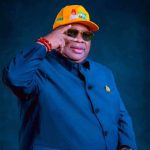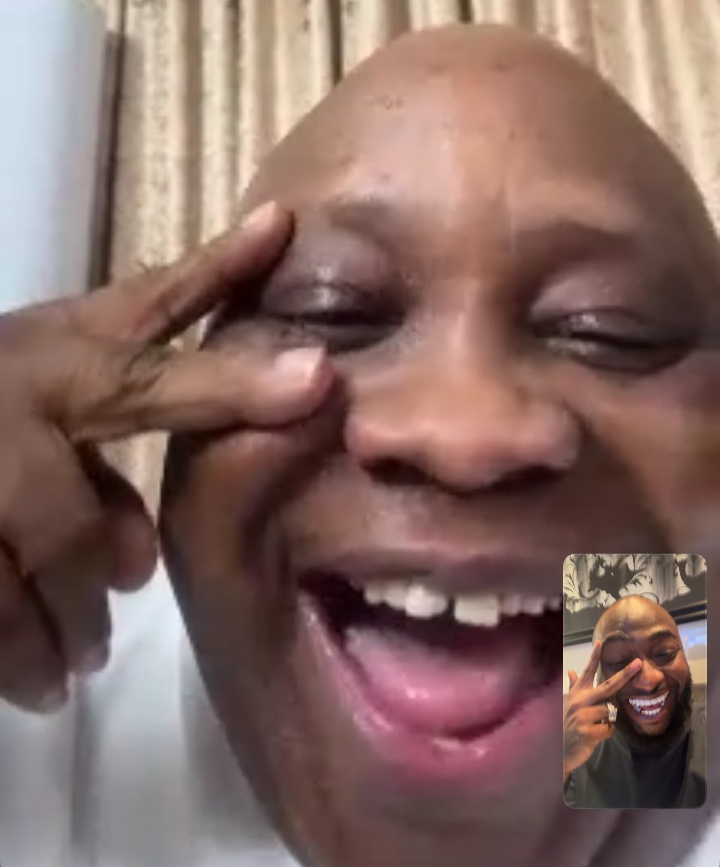
Nigerian Afrobeats superstar David Adeleke, popularly known as Davido, has become one of the most prominent celebrity voices surrounding the Osun State governorship election, with his repeated social media posts drawing widespread attention and sparking a debate over the role of entertainers in Nigerian politics.
Davido’s interest in the election has attracted particular scrutiny because the incumbent governor, Ademola Adeleke, is his uncle. The singer has used his large online following to comment on developments surrounding the election and draw attention to issues he believes could affect the credibility and peaceful conduct of the exercise.
With millions of followers across social media platforms, Davido has a considerable audience capable of amplifying political messages far beyond traditional campaign structures. His posts have therefore become part of the wider public conversation surrounding the election, with supporters and critics closely monitoring his comments.
The singer has also raised concerns about the electoral process and called for attention to developments in Osun. At various points, his public comments have focused on the need for a peaceful and credible election, while also highlighting concerns about possible intimidation, violence or attempts to influence the outcome.
His involvement has generated support from Nigerians who believe celebrities and other influential public figures have a responsibility to speak out when they perceive threats to democracy or the electoral process. For those supporters, Davido’s personal relationship with the governor does not automatically invalidate his calls for transparency and fairness.
His family connection to the incumbent governor has also become the centre of criticism from some social media users. They have questioned whether his level of activism would be the same if the election involved politicians with whom he had no personal or family relationship.
The criticism has opened a wider conversation about consistency in political activism. Some Nigerians argue that influential personalities should apply the same standards to every election, regardless of whether their friends, relatives or preferred candidates are involved.
Speaking out against alleged electoral irregularities is commendable, but such advocacy becomes more convincing when it is maintained consistently across different political circumstances. Critics therefore want to know whether celebrities such as Davido would use their platforms with the same determination when electoral issues affect candidates outside their immediate circles.
Others have defended Davido, arguing that there is nothing unusual about someone becoming particularly passionate about an election involving a close family member. They maintain that his relationship with Governor Ademola Adeleke does not prevent him from demanding a peaceful and credible process.
For his supporters, the more important issue is not who Davido is related to but what he is calling for. They argue that if his public interventions encourage transparency, discourage violence and draw attention to legitimate concerns surrounding the election, his influence can have a positive effect regardless of his personal connection to one of the candidates.
The debate also highlights the increasingly important role social media plays in Nigeria’s political environment. Celebrities with large audiences can now communicate directly with millions of people without relying on traditional media organisations. A single post from a highly followed personality can quickly generate discussions, reactions and further media coverage.
Davido’s engagement therefore represents more than the political interest of an individual entertainer. It reflects the growing intersection between Nigeria’s entertainment industry, social media and electoral politics. Musicians and other public figures increasingly have the ability to shape public conversations, mobilise attention and influence how younger audiences engage with political issues.
The situation demonstrates the challenges that come with celebrity political activism. Public figures who intervene in politically sensitive matters can face questions about their motives, affiliations and consistency. Their statements may also receive greater scrutiny because of the size of their audiences and their personal relationships with political actors.
For Davido, the attention surrounding his posts has ensured that his involvement in the Osun election remains a subject of discussion alongside the broader contest between political interests in the state. His visibility has helped bring additional attention to developments that might otherwise have remained within conventional political and electoral circles.
The controversy has raised a question that extends beyond the Osun election: Should influential Nigerians use their platforms to challenge perceived electoral wrongdoing regardless of who is involved, or is it understandable for their activism to become stronger when their own family or personal interests are directly affected?
The answer to that question is likely to remain part of the public debate as Nigerians continue to examine the role celebrities should play in the country’s democratic process.