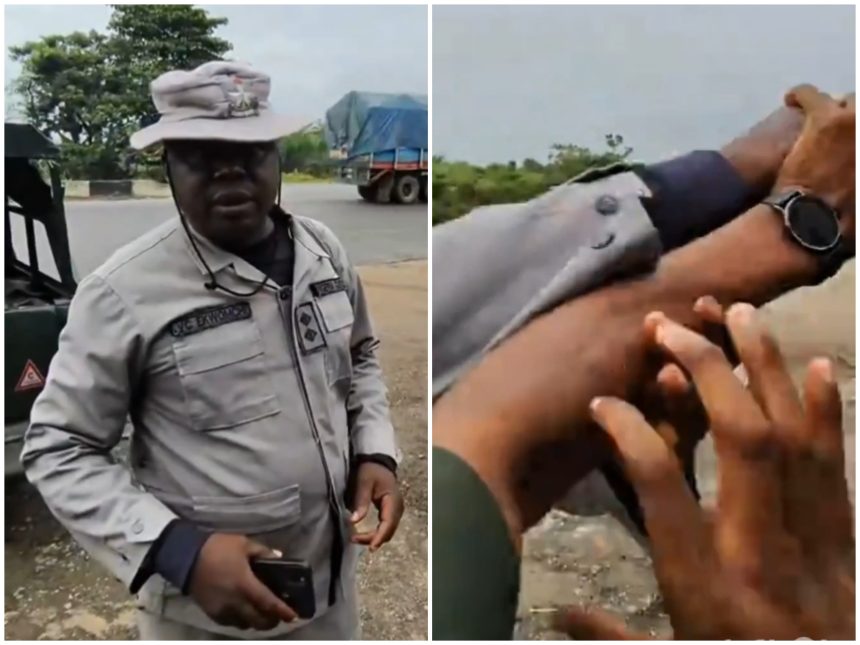
Tension reportedly broke out at a checkpoint after a Customs officer confronted a man who was allegedly recording the encounter while wearing Meta AI smart glasses.
The incident has attracted attention online after footage of the confrontation began circulating, prompting social media users to debate the circumstances surrounding the exchange and the use of wearable recording technology in public spaces.
According to reports accompanying the incident, the situation began when the Customs officer noticed that the man appeared to be recording while wearing the smart glasses. The officer reportedly questioned him about whether he was capturing footage of the encounter.
The exchange subsequently became tense, with the two parties reportedly engaging in a heated verbal confrontation at the checkpoint. Details about what was said during the encounter remain limited, and the available information does not establish the full sequence of events leading up to the disagreement.
Meta AI smart glasses are wearable devices that combine traditional eyewear with built-in technology, including cameras capable of capturing photographs and video. Their design allows users to record content without necessarily holding a smartphone or conventional camera in their hands.
That feature has increasingly generated public discussion about privacy and awareness, particularly when such devices are used in crowded environments or during interactions involving other people. Unlike traditional phone recording, wearable cameras can make it less obvious to those nearby that footage is being captured.
In this case, the officer reportedly appeared concerned about being recorded while performing official duties at the checkpoint. The confrontation has consequently raised broader questions about how security personnel and members of the public should handle recording devices during official encounters.
The incident has also prompted differing reactions online. Some users have questioned whether individuals should record security officials while they are carrying out their responsibilities, particularly in locations where security concerns may apply.
Others have argued that recording interactions with officials can provide transparency and may help establish an independent account of events if a disagreement occurs. The contrasting views have contributed to the wider debate surrounding public recording, privacy and accountability.
The use of artificial intelligence-powered wearable devices adds another dimension to the discussion. As smart glasses and similar technologies become more widely available, questions about consent, privacy and responsible use are likely to receive greater attention.
However, important details about the reported confrontation remain unconfirmed. The specific location of the checkpoint, the identities of the individuals involved and the events immediately before the confrontation have not been established from the information available.
There is also no verified information in the material provided indicating that the man was arrested, detained or formally charged over the alleged recording. It is therefore unclear whether authorities took any further action after the confrontation.
The incident highlights the challenges that can arise when emerging consumer technology intersects with security operations. While wearable cameras can provide users with a convenient way to document events, their discreet nature can also create misunderstandings about whether people nearby are being recorded.
As the footage continues to generate discussion online, the incident has become part of a broader conversation about the appropriate use of recording technology during encounters with security officials and the need to balance privacy, personal rights and legitimate security concerns.
For now, the available reports do not provide enough independently verified information to determine whether either party breached any applicable rules during the confrontation. Further clarification from the relevant authorities or individuals involved would be necessary to establish the full circumstances of the incident.