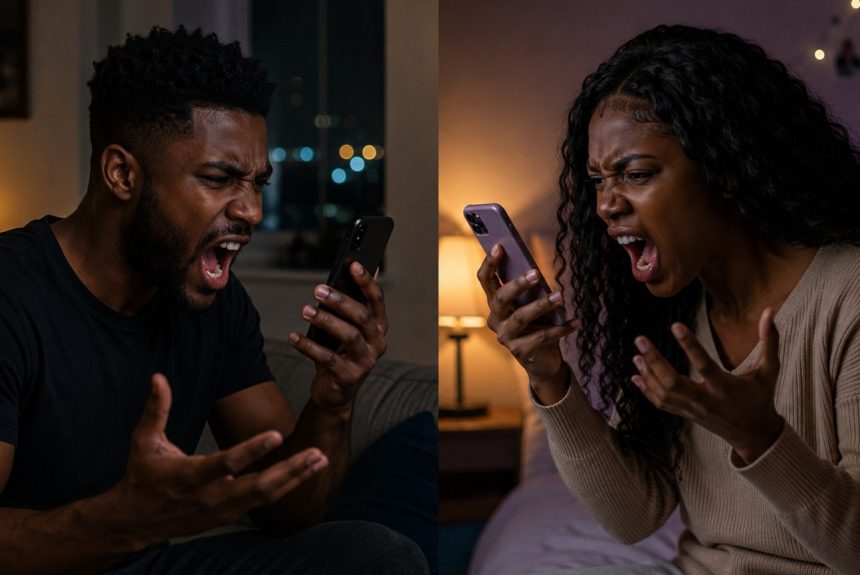
Long distance relationships have become increasingly common as technology continues to reshape how people meet, communicate and maintain romantic connections. Social media, dating applications and online communities have made it possible for people to develop relationships with partners who may live hundreds or thousands of kilometres away.
Although smartphones and the internet allow couples to communicate fluently, maintaining a relationship across different locations can still be challenging. Messages, phone calls and video chats can help partners remain connected, but they may not fully replace the experience of spending time together in person.
For some couples, the physical separation can create emotional detachment and practical difficulties that become more noticeable over time. Distance does not automatically mean a relationship will fail but it can place additional pressure on communication, trust, emotional intimacy and long term commitment.
Here are seven major reasons long distance relationships may struggle to survive in today’s digital age.
1. The Absence of Physical Presence
One of the most obvious difficulties associated with a long-distance relationship is the lack of physical companionship. Partners may communicate regularly but still miss the simple experiences that come naturally when two people live close to each other.
Eating together, taking a walk, attending social events or simply sitting beside one another can contribute significantly to a couple’s emotional connection. These ordinary moments can be difficult to recreate through a phone or computer screen.
Video calls can provide visual and emotional contact, but they cannot completely reproduce physical presence. Over time, some couples may begin to feel that something important is missing from their relationship, particularly when one partner is going through a difficult period and wants their significant other nearby.
2. Communication Can Easily Lead to Misunderstandings
Modern technology has made communication faster, but faster communication does not always mean better communication.
Text messages can sometimes be misunderstood because they do not always convey tone, facial expressions or emotions accurately. A brief response from a partner could be interpreted as anger, disinterest or frustration when the person may simply be busy or tired.
Problems can also arise when calls are repeatedly cancelled or when one partner feels the other is no longer making enough effort to communicate.
For a long distance relationship to remain healthy, communication needs to go beyond frequent messaging. Partners must be willing to discuss their expectations, listen to each other and address disagreements before resentment builds.
3. Distance Can Intensify Trust and Insecurity Issues
Trust is an important part of any romantic relationship, but physical separation can sometimes make insecurity more difficult to manage.
When partners do not regularly see each other, they may have fewer opportunities to understand what is happening in each other’s daily lives. This can sometimes lead to questions about friendships, social activities or whether a partner’s feelings have changed.
Social media can further complicate matters. Seeing a partner interacting with other people online may trigger jealousy or suspicion, particularly when there are already unresolved trust issues.
Constantly monitoring a partner’s activities is unlikely to create a healthy relationship. Couples facing distance need to establish mutual trust, communicate openly and respect reasonable boundaries rather than allowing suspicion to control the relationship.
4. Social Media Can Create Unrealistic Relationship Expectations
Social media has changed how people view romance. Couples regularly encounter posts featuring surprise visits, expensive gifts, romantic holidays and seemingly perfect relationships.
For someone in a long-distance relationship, constantly seeing such content can create the impression that their own relationship is falling short.
The problem is that social media generally presents selected moments rather than the complete reality of people’s relationships. A couple may post a romantic photograph without showing the disagreements, financial difficulties or personal challenges they experience privately.
Comparing a real relationship with carefully selected content online can therefore create unnecessary dissatisfaction. Healthy relationships do not necessarily need to look like the relationships presented on social media.
5. Partners May Develop Different Priorities
People’s priorities can change as their lives develop. Education, careers, family responsibilities, friendships and personal ambitions can all influence the direction a person takes.
Two people may begin a relationship with similar expectations but eventually discover that their goals have changed. This can become particularly challenging when they live far apart and are experiencing major life changes separately.
For example, one partner may be focused on building a career while the other is considering further education or preparing for a major family responsibility. If these changes are not discussed openly, the couple may gradually find themselves moving in different directions.
Regular conversations about personal goals and expectations can help partners understand whether their relationship is still heading toward a compatible future.
6. There May Be No Clear Plan to End the Distance
Another major challenge is uncertainty about how long the separation will continue.
A couple may find it easier to deal with distance when both partners understand that it is temporary and have a realistic plan for eventually living closer together.
The plan does not necessarily have to happen immediately. Careers, education, finances and family responsibilities can make relocation complicated. However, having an understanding of what both partners ultimately want can provide a sense of direction.
Without such a plan, one partner may eventually begin wondering whether the relationship has a future. Years of uncertainty can create frustration, particularly when there is no discussion about when or how the couple might eventually close the physical gap.
7. Loneliness Can Weaken Emotional Connection
Loneliness is another significant challenge associated with long-distance relationships.
Someone can deeply love their partner and still feel lonely because the person they care about is not physically present. This can become particularly difficult during birthdays, celebrations, family occasions, personal achievements or periods of emotional distress.
Although technology allows couples to communicate during these moments, some people may still wish they could share the experience with their partner in person.
If loneliness is ignored for a long period, emotional dissatisfaction can grow. This does not mean loneliness automatically leads to cheating or the end of a relationship. Instead, it shows why couples need to acknowledge their emotional needs and find healthy ways to remain connected.
Can Long-Distance Relationships Still Work?
Despite these challenges, long-distance relationships can succeed. Physical distance is not necessarily the factor that determines whether a relationship survives.
Strong communication, mutual trust, realistic expectations and commitment can help couples navigate periods of separation. Partners who deliberately make time for meaningful conversations and remain involved in each other’s lives may be better positioned to maintain their emotional connection.
Technology can also be valuable when used intentionally. Video calls, voice conversations, messaging and shared online activities can give couples opportunities to spend time together despite being physically separated.
At the same time, communication should not become a substitute for discussing the bigger questions. Couples should consider their expectations, boundaries, personal goals and plans for the future.
Final Thoughts
Long-distance relationships can be demanding, even in an era when technology allows people to communicate across great distances almost instantly.
The absence of physical companionship, communication problems, trust concerns, social media pressure, changing priorities, uncertainty about the future and loneliness can all place additional pressure on couples living apart.
These challenges do not mean that every long-distance relationship is destined to fail. The strength of a relationship depends on the people involved and their willingness to communicate honestly, build trust and work toward compatible goals.
For couples currently dealing with distance, the most important question may not simply be how far apart they are. It may be whether both partners are willing and able to make the relationship a priority while working toward a future that meets the needs of both people.