Parenting is one of the most important responsibilities a person can take on, but there is no single formula that works for every family. Children have different personalities, needs and stages of development, which means parents often have to adapt their approach as their children grow.
Good parenting is not about being perfect or avoiding every mistake. It is about creating a supportive environment where children can feel safe, learn from their experiences and gradually develop the skills they need to become responsible adults.
The everyday habits parents establish can have an important influence on family life. Simple actions such as listening to children, setting consistent boundaries, encouraging responsibility and spending quality time together can help strengthen the relationship between parents and their children.
Here are 10 practical parenting habits that parents can consider when raising confident, responsible and emotionally healthy children.
1. Listen to Your Child
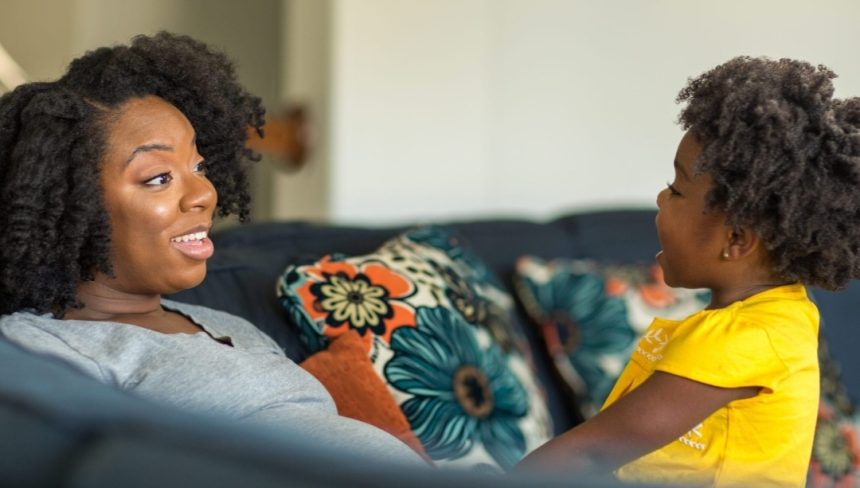
One of the simplest ways to strengthen a relationship with a child is to listen when they speak. Children may sometimes talk about things that appear unimportant to adults, but those conversations can provide opportunities to understand what they are thinking and feeling.
Instead of immediately dismissing a child’s concerns, parents can give them their attention and allow them to explain themselves.
Listening does not mean agreeing with everything a child says. It means giving them an opportunity to communicate and helping them understand that their thoughts and feelings can be discussed respectfully.
2. Set Clear and Consistent Rules
Children need boundaries to understand what behaviour is acceptable and what is not. Parents can establish age-appropriate household rules covering issues such as bedtime, school responsibilities, screen time, household chores and respectful behaviour.
Rules are generally more effective when children understand why they exist. Consistency is also important. If a particular behaviour is unacceptable today but ignored tomorrow, a child may struggle to understand the expectation.
Clear rules combined with calm explanations can help children gradually develop self-discipline.
3. Teach Children Responsibility
Responsibility is a skill that develops over time.
Parents can introduce age-appropriate responsibilities at home, such as putting away toys, keeping personal belongings organised, helping with simple household tasks or preparing school materials.
The purpose is not simply to make children perform chores. It is to help them understand that everyone in a household has responsibilities.
As children become older, those responsibilities can gradually increase. Learning to complete tasks, deal with mistakes and follow through on commitments can prepare children for greater independence later in life.
4. Encourage Children to Ask Questions
Children are naturally curious, and their questions can provide opportunities for learning. Instead of discouraging children from asking questions, parents can encourage curiosity and help them find appropriate answers.
This can include reading together, exploring educational resources, discussing everyday situations or encouraging children to research subjects that interest them.
Parents do not need to know the answer to every question. Saying “I don’t know, let’s find out” can also demonstrate that learning is a continuous process.
5. Praise Effort, Not Only Results
Children often receive praise when they succeed, but recognising effort can also be valuable.
For example, instead of focusing exclusively on a child’s final examination result, a parent can acknowledge the preparation, persistence and improvement that contributed to the outcome. This can help children understand that progress often requires patience and consistent effort.
At the same time, praise should be genuine and specific. Rather than repeatedly telling a child that they are simply “the best,” parents can identify the particular behaviour or effort they are proud of.
6. Teach Children About Money Early
Financial education is an important life skill, yet many children receive little practical instruction about managing money.
Parents can introduce basic financial concepts in age-appropriate ways. Children can learn about saving, spending, needs versus wants and making choices with limited resources.
For older children, parents can discuss budgeting, responsible spending and the importance of avoiding unnecessary debt.
Teaching financial responsibility does not require complicated lessons. Everyday situations, such as saving toward a desired item or comparing prices while shopping, can become practical learning opportunities.
7. Spend Quality Time Together
Children need more than material possessions. They also benefit from attention, communication and meaningful family interactions. Quality time does not necessarily require expensive outings.
Parents can read with their children, prepare meals together, take walks, play games or simply have conversations without distractions.
The important factor is creating opportunities for genuine interaction. As children grow older, their schedules and interests may change. Maintaining regular opportunities to communicate can help parents remain connected to them.
8. Teach Children How to Handle Mistakes
Making mistakes is a normal part of learning. When children make mistakes, parents can use the experience as an opportunity to discuss what happened, why it happened and what could be done differently next time.
This does not mean ignoring serious behaviour or refusing to establish consequences. Instead, it means helping children understand the connection between their decisions and their outcomes.
Children who learn that mistakes can be corrected may become more willing to try new things and learn from setbacks.
9. Be a Positive Example
Children often learn from what adults do as much as from what adults tell them. Parents who want their children to communicate respectfully, manage money responsibly, keep promises or control their emotions should try to demonstrate those behaviours themselves.
For example, a parent who teaches the importance of saving while constantly making impulsive purchases may send mixed messages.
Nobody behaves perfectly all the time. However, acknowledging mistakes and demonstrating how to correct them can itself become an important lesson for children.
10. Create a Safe Environment for Communication
As children grow, the subjects they want to discuss may become more complicated. Parents can make it easier for children to seek help by creating an environment where questions and concerns can be discussed without immediate ridicule or unnecessary judgment.
This does not mean parents have to approve of every decision their children make, instead it means keeping communication pure enough that children know they can approach a trusted adult during mentaland physiological downtime.
Pure communication can become particularly important during adolescence, when children may experience new academic, social and emotional challenges.
Parenting Requires Patience and Adaptability
There is no perfect parent and no single parenting method that works equally well for every child. Children develop differently, and family circumstances can also vary considerably. What works for one household may need to be adjusted for another.
The goal should therefore not be perfection. Instead, parents can focus on building healthy routines, communicating clearly, setting reasonable boundaries and responding to their children’s changing needs.
Small parenting habits can have a meaningful impact when they are practised consistently. Listening to a child, teaching responsibility, encouraging curiosity and demonstrating good behaviour can help create a foundation for future independence.
Parents should also remember that asking for professional guidance when a child is experiencing significant developmental, behavioural or emotional difficulties is not a sign of failure. Qualified professionals can provide advice that is appropriate to a family’s specific circumstances.
Raising confident and responsible children is a gradual process. The lessons children learn through everyday conversations, family routines and the example set by adults can contribute to how they understand responsibility, relationships, decision-making and personal growth.